
Report from 2050: Livestock Production Breaks Safe Threshold
Report from 2050: Livestock Production Breaks Safe Threshold
AfSD™(ADVOCATE FOR SAVING DOGS™and all living creatures)
Report from 2050: Livestock Production Breaks Safe Threshold

Rainforests and thousands of species wiped out as human demand for animal flesh finally exceeds Earth’s limits
Editor’s note: Last month was Victory Month, which looked back at some of the victories of 2010. This month, 13.7 Billion Years looks four decades into the future, presenting imagined reports from the year 2050, supported by current news, discoveries and scientific predictions. To see what’s real and what’s not, click on the links within the text.
JANUARY 19, 2050 (Brussels)
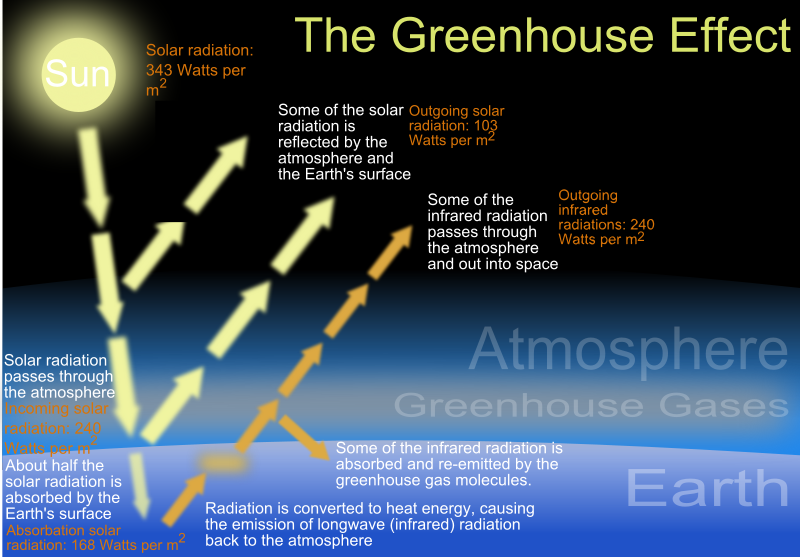
Four decades ago, in 2010, a study concluded that the projected global demand for meat, poultry, eggs and dairy could be responsible for 70 percent of the total greenhouse gas emissions by 2050, reaching a level considered to be a safe threshold for the planet.
The study, published in the journal Proceedings of the National Academy of Sciences, was conducted by Nathan Pelletier with Peter Tyedmers at Dalhousie University in Halifax, Nova Scotia. They said that livestock could generate an even greater proportion of the sustainable threshold for other environmental indicators.
The researchers looked at current and future projections of levels of greenhouse gas emissions, biomass consumption and nitrogen emissions, and compared them to estimates of the Earth’s safe limits.
“We’re not suggesting that everyone in the world become vegan or vegetarian,” said Pelletier, in a DiscoveryNews article. “We really stress the importance of policies aimed at production and consumption over time by changing not just how much we eat, but what we eat and how frequently we eat it.”
Today, that “safe limit” has finally been breached, according to a new report released by the Brussels-based Institute of Planetary Change (IPC).

“The increase in livestock production to feed the Earth’s 9.3 billion humans has officially pushed the levels of greenhouse gas emissions and biomass consumption into the red zone,” said IPC director Ty Thorn.
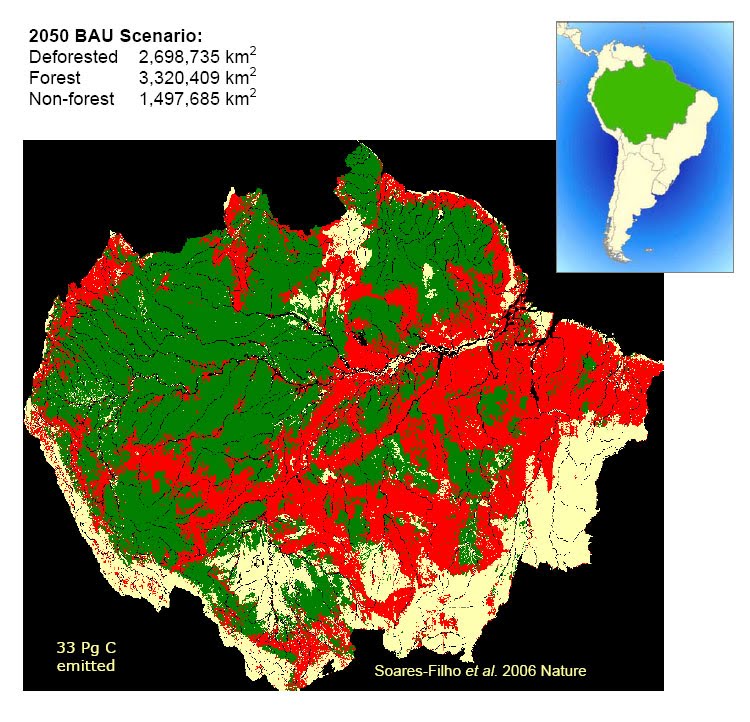
“With most rainforests destroyed to support livestock farming, there is simply no sink big enough to contain even a fraction of today’s man-made carbon emissions,” said Thorn. “The loss of untold numbers of species, while devastating, is currently the least of our problems. There are just too many mouths to feed, and the global food crisis is going to grow.” Thorn is leading an international team of scientists to develop projections of when we will hit the Earth Sustainability Threshold (EST), what he calls the “final point of no return.”
“We are in essence eating the world’s tropical rainforests and savannas,” said University of Minnesota ecology professor David Tilman, in a 2010 DailyClimate.org article. But, he adds, “There is no reason for even one more acre of rainforest to be cut. If we farmed them properly, the lands that have already been cleared could fully meet global food demand for at least the next 50 years,” he said.
“Too bad no one listened to the warnings of scientists in the early part of the century,” Thorn said. “Now it’s only going get worse. We must prepare for the great human die-off.”
Get involved :
..Learn more about transitioning to an animal- and earth-friendly vegan diet..

..Monitor the growing devastation with Peter Russell’s World Clock..
..Analyze and reduce your impact on the environment with the National Grid Floe..
..Read a list of famous vegetarians..
..Sign Pamela Anderson’s pledge to explore vegetarianism for 30 days..

..Download a free vegetarian starter kit from FARM (Farm Animal Rights Movement)
..
..Check out Meatout
..

..Read about the HBO documentary “Death on a Factory Farm”..
..Read the Yale College Vegetarian Society’s “Top 10 Reasons to Become Vegetarian”..
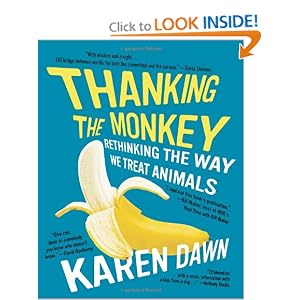
..Purchase Thanking the Monkey: Rethinking the Way We Treat Animals..
..See the 4-year-old McDonald’s cheeseburger and fries..
..Follow 13.7 Billion Years on Twitter

..
Part of the series “Reports from 2050.”
Report from 2050: The Sino-American Green Divide

Report from 2050: The Rise of the Cyclist

Report from 2050: The Shrinking Amazon
Report from 2050: America the Not-So-Beautiful

Report from 2050: Goodbye Adélies

Report from 2050: Collecting Solar Power with Help from Hornets

Report from 2050: San Francisco’s Dead Zone
